
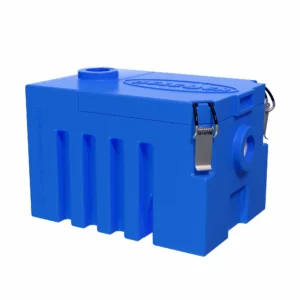
Grease trap 3 GPM
Grease Traps
$149.00
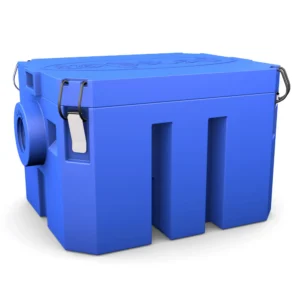
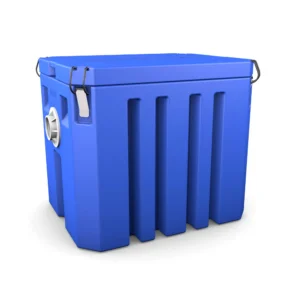
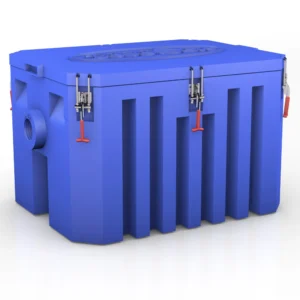
High-performance HDPE grease traps engineered for commercial kitchens and industrial wastewater management. Built to rigorous ASME standards for durability and flow efficiency.
Grease Traps
Grease Traps
Grease Traps
Grease Traps
Grease Traps
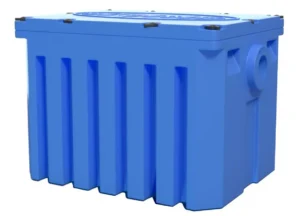
Constructed from high-density polyethylene (HDPE), our grease traps offer unparalleled durability in harsh commercial kitchen environments. Unlike traditional metal traps, HDPE is completely immune to rust, corrosion, and
the acidic nature of decomposing food waste, ensuring a significantly longer operational lifespan.
Every unit in the GT series is engineered to meet or exceed ASME A112.14.3 standards for structural integrity and flow dynamics. Internal baffling systems are meticulously designed using advanced fluid dynamic modeling to maximize retention time and separation efficiency, effectively trapping fats, oils, and greases (FOG) before they reach municipal sewer lines.
Maintenance is simplified through accessible, heavy-duty covers with airtight gasket seals that prevent odor escape. Standardized connections facilitate straightforward integration into existing plumbing schematics, while the smooth interior surfaces minimize residue adhesion, making routine cleaning operations faster and more hygienic.
The appropriate grease trap size is determined primarily by the maximum wastewater flow rate, rather than by sink size alone. The number and type of sinks, kitchen equipment, and expected peak water flow should all be considered.
Choose a grease trap with a flow rate that meets or exceeds the calculated flow of your system. Local plumbing codes and the recommendations of your local plumbing inspector or Authority Having Jurisdiction (AHJ) should also be taken into consideration.
If you are unsure which model is right for your application, contact us and we will help you select the appropriate size.
Yes. Our grease traps are designed for above-ground installation, including installation under sinks, near commercial kitchen equipment, or in other accessible locations.
The grease trap should be installed on a stable, level surface with the inlet and outlet properly connected and sufficient access provided for inspection and cleaning.
Cleaning frequency depends on the amount of grease entering the system and the intensity of use. The grease trap should be inspected regularly and cleaned before excessive grease accumulation occurs.
When biological treatment products are used regularly, the time between cleanings is extended because the biological agents help break down grease and organic buildup within the system. This reduces grease accumulation and helps maintain the efficiency of the grease trap.
For commercial kitchens, the recommended cleaning schedule should be based on actual grease loading, regular inspections, and applicable local requirements.
HDPE (High-Density Polyethylene) is highly resistant to corrosion, moisture, and many substances commonly found in wastewater.
With proper installation, operation, and maintenance, an HDPE grease trap can provide many years of reliable service. Actual service life depends on operating conditions, temperature, chemical exposure, mechanical loads, and installation environment.
Yes. We offer special pricing for bulk orders, commercial projects, distributors, contractors, and other large-volume customers.
Pricing depends on the quantity, models, configuration, and shipping requirements. Contact us for a customized quotation.
A grease trap is a plumbing device designed to capture and retain fats, oils, grease (FOG), and food solids before they enter the wastewater drainage system.
As wastewater flows through the grease trap, its flow is slowed down, allowing heavier solids to settle while grease and oils, which are lighter than water, separate and rise to the surface. The grease and solids are retained inside the trap, while the relatively cleaner water continues through the outlet into the drainage system.
Regular cleaning is required to remove accumulated grease and solids. The use of biological treatment products can help break down grease and organic buildup, helping maintain the efficiency of the grease trap and extending the time between cleanings.
The terms grease trap and grease interceptor are sometimes used interchangeably, and terminology can vary by location and plumbing code.
In general, a grease trap is a smaller-capacity device, commonly installed above ground, under or near a sink or other kitchen equipment. It is typically designed for lower flow rates and applications where a compact solution is required.
A grease interceptor is generally a larger-capacity system, often installed outside or below ground and designed to handle higher wastewater flows and larger amounts of grease and solids.
For installation guidance, please refer to our installation recommendations and step-by-step videos on the Beseder YouTube channel.
Installation must comply with local plumbing codes and the requirements of the local plumbing inspector or Authority Having Jurisdiction (AHJ).
Yes. Beseder grease traps are ASME A112.14.3 certified, confirming that they meet the applicable requirements of the standard for grease interceptors.
ASME — это American Society of Mechanical Engineers.
ASME A112.14.3 certification provides assurance that our grease traps have been evaluated for their performance and compliance with the applicable industry requirements.